
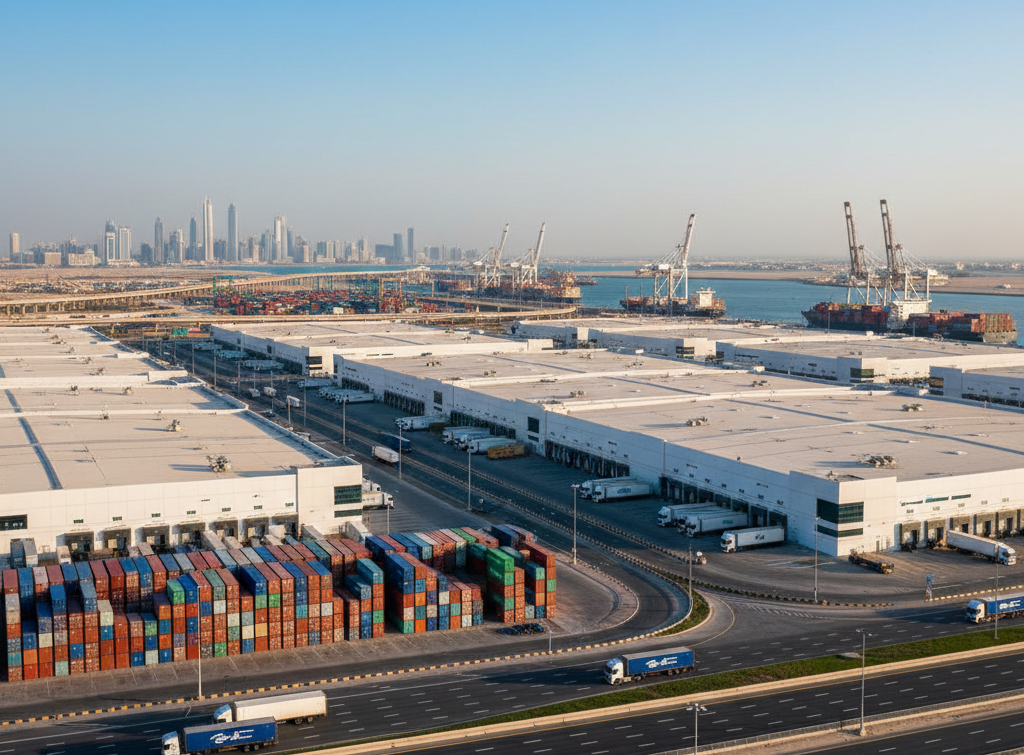
Most businesses assume logistics free zones in the UAE are only about warehouses and ports. That view is incomplete. UAE logistics free zones shape how goods move, how fast orders clear customs, and how easily businesses scale across borders. This is usually where founders pause and seek clarity. Early conversations with advisors like Infinity Synergy Consultants often focus on whether a logistics free zone actually fits daily operations, not just the brochure.
What Makes UAE Logistics Free Zones Different
Unlike general-purpose free zones, logistics-focused zones are built around movement. Goods come in, move out, or get stored briefly. Because of that, authorities design these zones to reduce friction rather than add steps.
Key differences businesses usually notice include:
- Proximity to ports, airports, or major highways
- Customs clearance integrated into the zone
- Licensing tailored to storage, trading, and distribution
- Infrastructure designed for volume, not office work
As a result, logistics zones reward operational clarity. However, they punish vague business models quickly.
UAE logistics free zones
At a practical level, UAE logistics free zones work best for companies that already understand how goods will flow. These zones suit import–export firms, regional distributors, e-commerce fulfilment operators, and manufacturers managing outbound shipments.
However, problems appear when businesses treat logistics zones like generic free zones. For example, applying for a trading license while planning large-scale storage often triggers extra approvals later.
When founders work on company registration or trade license selection, Infinity Synergy Consultants typically steps in here to align license scope with actual logistics activity.
👉 https://isynergyc.com/business-setup-services/
Where Businesses Commonly Misjudge Logistics Zones
Many founders focus on rent and visa costs first. That’s understandable. Still, logistics zones demand more planning upfront.
Common misjudgments include:
- Choosing zones far from actual supply routes
- Underestimating customs documentation requirements
- Assuming all zones allow third-party logistics services
- Ignoring minimum warehouse size rules
Consequently, businesses end up restructuring within the first year.
UAE logistics free zones
A real-world pattern explains this well.
Example:
A regional distributor selects a logistics free zone near a port. However, most deliveries go inland. Transport costs rise, and delivery times suffer.
Fix:
Select zones based on customer geography, not just port access. Meanwhile, factor in road connectivity and last-mile costs.
This is where SME support matters. Infinity Synergy Consultants often reviews logistics models before licensing, ensuring zone choice supports daily movement, not just registration speed.
Compliance and Customs Reality
Logistics zones simplify customs, but they do not remove responsibility. Authorities still expect accurate declarations, inventory tracking, and permit alignment.
Because of this, businesses must:
- Maintain clear product classifications
- Match license activity with actual goods handled
- Update approvals when expanding product lines
For official guidance, businesses should always rely on the UAE government portal:
👉 https://u.ae/en/information-and-services/business
Is a Logistics Free Zone Always the Right Choice?
Not always. Some businesses outgrow logistics zones quickly, especially those shifting into retail or direct local sales. Others benefit for years.
The decision works best when:
- Cross-border trade remains core
- Warehousing is operational, not incidental
- Customers sit outside the UAE or across GCC markets
Therefore, the question isn’t whether logistics free zones are good. It’s whether they fit how the business will operate twelve months from now.
Conclusion
In the end, UAE logistics free zones offer speed, efficiency, and infrastructure, but only when businesses understand their own movement patterns. These zones reward planning and operational honesty. Shortcuts usually surface later as delays or compliance gaps.
Infinity Synergy Consultants supports founders with company registration, trade license planning, and SME advisory. Their role is not to push a zone, but to ensure the chosen structure continues to work as the business scales.
Website: https://isynergyc.com
Email: info@isynergyc.com
Phone: +971-505178611